

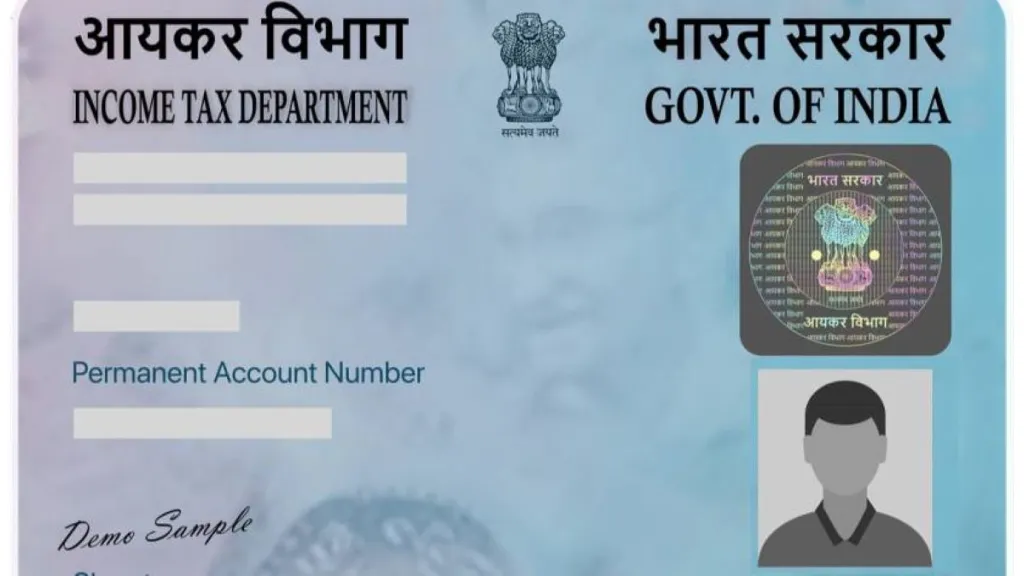
Do you have a PAN Card? You obviously have. But have you ever wondered what do the 10 digits of your Permanent Account Number (PAN) mean? Let’s understand it.
PAN Card is one of the most important documents for taxpayers in India. It displays the Permanent Account Number, which is a unique combination of alphabets and numbers for each PAN cardholder.
PAN cards are important in a variety of settings, including employment, banking and education.
Your PAN is inscribed in 10 digits at the bottom of the PAN card, and it contains your personal information. Issued by the Income Tax Department, PAN also serves as an identification document.
PAN Card 10 Digit Meaning
PAN consists of 10 characters, comprising a mix of alphabets and numbers, with specific meanings behind each character.
First 3 characters of PAN: These characters are part of an alphabetical series from AAA to ZZZ. They do not convey specific personal information.
Fourth character of PAN: This character signifies the type of entity; such as
P: Single Individual
F: Firm
C: Company
A: Association of Persons (AOP)
T: Trust
H: Hindu Undivided Family (HUF)
B: Body of Individual (BOI)
L: Local Authority
J: Artificial Judicial Person
G: Government
Fifth character of PAN: This alphabet represents the first letter of the PAN cardholder’s surname or last name.
Last 4 characters: These are numbers ranging from 0001 to 9999, denoting the series currently in use by the Income Tax Department.
Last or 10th character of PAN: The final character in the PAN is an alphanumeric check digit.
The PAN card serves as a universal identification tool and is utilized across various domains, including employment, banking, postal services, and education. Its unique 10-digit code remains constant for an individual or entity, signifying its ‘permanent’ nature.
Keep in mind that while the first three characters and the last four digits do not directly reveal personal details, the fourth and fifth characters give insight into the holder’s entity type and the initial letter of their surname, respectively.